Venclexta (Venetoclax): Uses, Side Effects & Dosage Guide
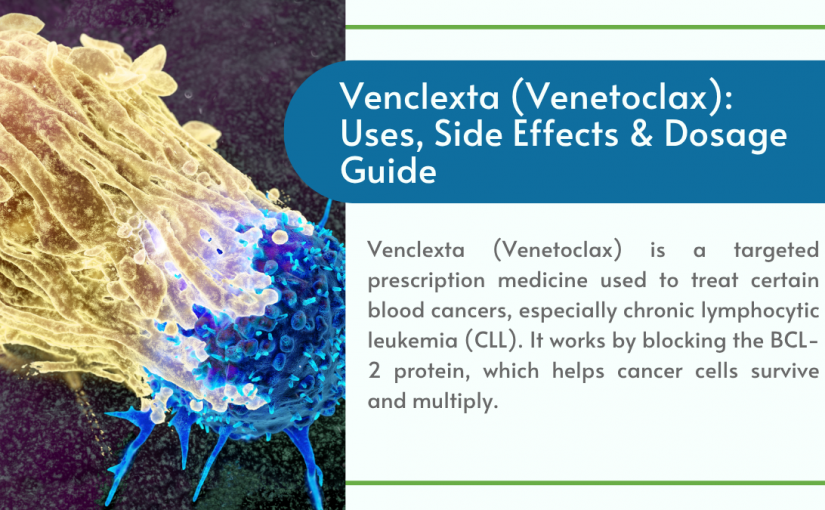
Venclexta (Venetoclax) is a targeted prescription medicine used to treat certain blood cancers, especially chronic lymphocytic leukemia (CLL). It works by blocking the BCL-2 protein, which helps cancer cells survive and multiply. By targeting this protein, Venclexta helps destroy abnormal white blood cells and slow disease progression. Venclexta for CLL treatment is commonly prescribed for adults with newly diagnosed or relapsed CLL and may be used alone or in combination with other therapies.
Patients are advised to follow their prescribed dosage schedule carefully and stay well hydrated during treatment. Regular blood tests and medical monitoring are important throughout Venclexta for CLL treatment to ensure safety and effectiveness. Patients should also inform their healthcare provider about any other medications they are taking, as drug interactions may occur. With its targeted approach, Venclexta (Venetoclax) has become an important treatment option for improving outcomes in people living with CLL.
What Is Venclexta (Venetoclax) and How Does It Work?
Venclexta is a targeted medication used to treat certain types of blood cancers, including chronic lymphocytic leukemia (CLL) and acute myeloid leukemia (AML). It belongs to a class of drugs designed to block the BCL-2 protein, which helps cancer cells survive longer than normal. By inhibiting this protein, Venclexta helps trigger the natural death of cancer cells and slows their growth in the body.
This targeted approach makes it an effective option in modern Venetoclax leukemia treatment strategies for eligible patients. Doctors may prescribe Venclexta alone or in combination with other therapies, depending on the patient’s condition and response to treatment. Regular monitoring and gradual dose adjustments are often recommended to improve safety and effectiveness during Venetoclax leukemia treatment.
Venclexta Uses for CLL, AML, and Other Blood Cancers
Venclexta (Venetoclax) is widely used in the treatment of chronic lymphocytic leukemia (CLL), acute myeloid leukemia (AML), and certain other blood cancers. It works by targeting the BCL-2 protein, which helps cancer cells survive and grow. In patients with CLL, Venclexta may be prescribed alone or in combination with other therapies to help slow disease progression and improve treatment response.
For AML, it is often used alongside other medications in adults who may not be suitable for intensive chemotherapy. Doctors may also recommend Venclexta for specific cases of small lymphocytic lymphoma (SLL) and related blood disorders based on individual patient needs. Since treatment plans can vary depending on the type and stage of cancer, following a proper dosage is essential for safe and effective use. A carefully monitored Venclexta dosage guide also helps reduce the risk of side effects such as tumor lysis syndrome and supports better treatment outcomes.
Venclexta Side Effects and Safety Warnings
Venclexta may cause both common and serious side effects, so patients should use this medication under close medical supervision.
Common Venclexta side effects include
- Nausea
- Diarrhea
- Fatigue
- Fever
- Low blood cell counts
- Upper respiratory infections
Some patients may also experience decreased appetite, muscle pain, or weakness during treatment. One of the most important safety concerns with Venclexta is tumor lysis syndrome (TLS), a serious condition caused by the rapid breakdown of cancer cells, which can affect the kidneys and other organs.
To reduce this risk, doctors usually begin treatment with a lower dose and gradually increase it while monitoring blood tests closely. Patients are often advised to stay well hydrated and follow all prescribed precautions during therapy. Severe infections, anemia, and reduced immunity can also occur, making regular medical monitoring essential.
Understanding possible Venclexta side effects and reporting any unusual symptoms early can help improve treatment safety and overall patient care.
Venclexta Dosage Guide and How to Take It Safely
Venclexta should always be taken exactly as prescribed by a healthcare professional to ensure safe and effective treatment. The medication is commonly started at a low dose and gradually increased over several weeks to reduce the risk of tumor lysis syndrome (TLS), a serious complication caused by the rapid breakdown of cancer cells.
Following a proper Venclexta dosage guide is important because the dosage may vary depending on the type of blood cancer being treated, the patient’s overall health, and whether the medicine is used alone or with other therapies. Venclexta tablets are usually taken once daily with food and water, preferably at the same time each day. Patients should swallow the tablets whole and avoid crushing, chewing, or breaking them.
Staying well hydrated and attending regular blood tests are also essential during treatment to help monitor the body’s response and reduce potential risks. A carefully monitored dosage guide can help improve treatment effectiveness while minimizing serious side effects and drug-related complications.
How Long Does Venclexta Take to Work?
Venclexta (Venetoclax) may begin working within the first few weeks of treatment, but the exact response time can vary depending on the type of blood cancer, the stage of the disease, and the patient’s overall health. Some patients with chronic lymphocytic leukemia (CLL) or acute myeloid leukemia (AML) may notice improvements in blood counts and symptoms early during therapy, while others may require several months to see significant results.
Doctors usually monitor treatment progress through regular blood tests, scans, and medical evaluations to determine how well the medication is working. Since Venclexta is started with a gradual dose increase to reduce the risk of tumor lysis syndrome (TLS), it may take some time before the full therapeutic dose is reached. Consistent use, proper monitoring, and following the prescribed treatment plan are important for achieving the best possible outcomes with Venclexta therapy.
FAQs
Venclexta (Venetoclax) is a prescription medicine used to treat certain types of blood cancers, including chronic lymphocytic leukemia (CLL) and acute myeloid leukemia (AML). It works by targeting the BCL-2 protein that helps cancer cells survive. By blocking this protein, Venclexta helps destroy abnormal cancer cells and slows disease progression. Doctors may prescribe it alone or in combination with other cancer treatments, depending on the patient’s condition.
Common side effects of Venclexta include nausea, diarrhea, fatigue, fever, and low blood cell counts. Some patients may also experience infections, muscle pain, weakness, or decreased appetite during treatment. In certain cases, Venclexta can increase the risk of serious infections due to reduced immunity. Regular medical monitoring and blood tests are important to help manage side effects safely during treatment.
Venclexta may start working within a few weeks of treatment, but the response time can vary from person to person. Some leukemia patients may notice improvements in blood counts and symptoms early, while others may take several months to respond fully. Doctors usually monitor progress through regular blood tests and medical check-ups during treatment. Reaching the full treatment dose gradually is important to improve effectiveness and reduce risks like tumor lysis syndrome (TLS).
Venclexta is an effective treatment option for chronic lymphocytic leukemia (CLL), but it is not usually considered a complete cure. It helps control the disease by targeting and destroying abnormal cancer cells, which may lead to remission in many patients. Some people experience long-lasting treatment responses and improved quality of life with Venclexta therapy. Doctors may use it alone or in combination with other treatments depending on the patient’s condition and treatment goals.
Venclexta tablets should be taken exactly as prescribed by a healthcare professional. The tablets are usually taken once daily with food and water, preferably at the same time each day. Patients should swallow the tablets whole without crushing, chewing, or breaking them. Staying well hydrated and following the prescribed dose schedule are important to reduce the risk of side effects such as tumor lysis syndrome (TLS).
While taking Venclexta, patients should avoid grapefruit, Seville oranges, and starfruit, as these can affect how the medication works in the body. It is also important to avoid missing doses or changing the dosage without medical advice. Certain medications and supplements may interact with Venclexta, so patients should inform their doctor about all medicines they are taking. Avoiding dehydration and following regular medical monitoring can also help reduce the risk of serious side effects during treatment.
References:
- https://www.accessdata.fda.gov/drugsatfda_docs/label/2019/208573s013lbl.pdf
- https://www.venclexta.com/