
Zoloft for Anxiety & Depression Guide
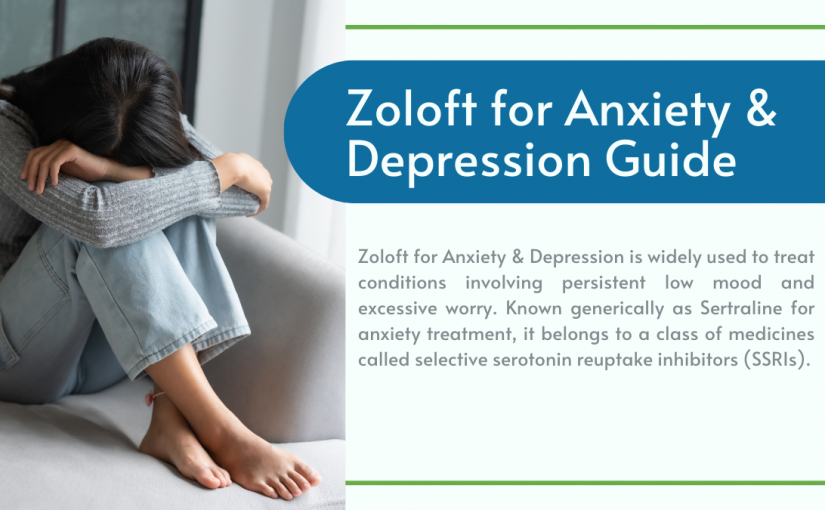
Zoloft for Anxiety & Depression is widely used to treat conditions involving persistent low mood and excessive worry. Known generically as Sertraline for anxiety treatment, it belongs to a class of medicines called selective serotonin reuptake inhibitors (SSRIs).
Zoloft works by increasing serotonin levels in the brain, a chemical that helps regulate mood, sleep, and emotional balance. It is approved to treat major depressive disorder, generalized anxiety disorder, panic disorder, social anxiety disorder, and obsessive-compulsive disorder.
Sertraline is often chosen because of its well-established safety profile and effectiveness when taken as prescribed. While some individuals may notice improvement within 1–2 weeks, full benefits typically develop over 4–6 weeks.
Like all medications, Zoloft for Anxiety & Depression may cause mild side effects such as nausea, sleep changes, or headache, especially during the initial weeks. Regular follow-ups with a healthcare provider are important to monitor response and adjust dosage if needed. When used consistently under medical supervision, Sertraline for anxiety treatment can support emotional stability, reduce persistent worry, and improve overall quality of life.
What Is Zoloft and How Does It Work?
Zoloft is a prescription medication widely used to treat mood and anxiety-related conditions. Commonly known as Sertraline, it belongs to a group of medicines called selective serotonin reuptake inhibitors (SSRIs). Doctors often prescribe Zoloft for Anxiety & Depression as well as Zoloft for panic disorder due to its proven effectiveness and safety profile.
Zoloft works by increasing the levels of serotonin in the brain — a neurotransmitter that plays a key role in regulating mood, emotions, sleep, and stress responses.
In many individuals with anxiety or depression, serotonin levels may be imbalanced. By preventing the reabsorption (reuptake) of serotonin, Zoloft helps improve communication between brain cells, supporting emotional stability.
When used as Zoloft for Anxiety & Depression, it can help reduce persistent sadness, excessive worry, irritability, and physical symptoms such as fatigue or sleep disturbances. As Zoloft for panic disorder, it may help decrease the frequency and intensity of panic attacks over time.
Improvements may begin within 1–2 weeks, but full benefits typically develop after 4–6 weeks of consistent use under medical supervision.
What Is Zoloft Used for?
Zoloft is a prescription medication commonly used to treat a range of mental health conditions. As a selective serotonin reuptake inhibitor (SSRI), it works by increasing serotonin levels in the brain to help regulate mood and emotional balance.
Zoloft for anxiety & depression is one of the most common treatment approaches, helping individuals manage persistent sadness, excessive worry, loss of interest, and low energy. Doctors prescribe it for major depression along with various disorders linked to anxiety symptoms.
Zoloft is also used to treat:
- Generalized anxiety disorder (GAD)
- Panic disorder
- Social anxiety disorder
- Obsessive-compulsive disorder (OCD)
- Post-traumatic stress disorder (PTSD)
- Premenstrual dysphoric disorder (PMDD)
By stabilizing serotonin activity, Zoloft can help reduce emotional distress, improve daily functioning, and enhance overall quality of life when taken consistently under medical supervision.
Dosage of Zoloft for Anxiety & Depression
Zoloft is commonly prescribed in carefully adjusted doses based on the individual’s condition, age, and response to treatment. When using Zoloft for anxiety and depression, doctors usually begin with a low starting dose to minimize side effects and gradually increase it if needed.
The typical Zoloft dosage for depression in adults often starts at 50 mg once daily. Depending on symptom control and tolerability, the dose may be increased gradually, usually in increments of 25–50 mg, up to a maximum of 200 mg per day.
For anxiety disorders, including panic disorder or social anxiety disorder, treatment may begin at 25 mg daily for the first week, then increased to 50 mg daily. Further adjustments are made under medical supervision. It is usually taken once daily, with or without food, preferably at the same time each day.
Consistency is important for the best results. Dosage should never be changed, stopped, or restarted without consulting a healthcare provider, as gradual adjustments help reduce withdrawal symptoms and ensure safe treatment outcomes.
Side Effects, Warnings & Safety Information
Most people tolerate Zoloft without major issues, although some may experience unwanted effects. Understanding Zoloft side effects in adults can help patients recognize what is common and when to seek medical advice.
Common Side Effects
Some mild effects may occur during the first few weeks, including:
- Nausea or upset stomach
- Headache
- Sleep disturbances (insomnia or drowsiness)
- Dry mouth
- Increased sweating
- Reduced sexual desire or performance changes
Any mild side effects commonly decrease as treatment continues and the body adapts.
Serious Warnings
In rare cases, more serious reactions may occur, such as:
- Worsening mood or suicidal thoughts, especially in young adults
- Severe agitation or restlessness
- Serotonin syndrome (symptoms may include confusion, rapid heart rate, fever, or muscle stiffness)
- Unusual bleeding or bruising
Safety Information
Zoloft should be used cautiously in individuals with liver disease, seizure disorders, or bipolar disorder or those taking other medications that affect serotonin levels. It should not be stopped suddenly, as gradual dose reduction helps prevent withdrawal symptoms such as dizziness, irritability, or flu-like symptoms.
Regular follow-up with a healthcare provider ensures safe and effective treatment while monitoring Zoloft side effects in adults and overall response.
Where to Buy Zoloft (Sertraline) Online Safely
If you need to buy Zoloft for Anxiety & Depression, it’s important to choose legitimate and safe options rather than unverified websites. Zoloft is a prescription medication, so a valid prescription from a licensed healthcare provider is required to purchase it legally.
Once you have a prescription, some verified online pharmacies (especially those certified by pharmacy boards or associations) can dispense Zoloft (sertraline) or its generic form and ship it according to regulations. Always ensure the pharmacy requires your prescription and is transparent about licensing.
When you buy Zoloft online through trusted e-pharmacy services such as Meds Engage, you’ll typically be asked to upload your doctor’s prescription and verify your identity. This ensures your order stays compliant with regulations and that the medication you receive is genuine and safe. Always check for proper authentication and consult your healthcare provider before starting any new medication.
FAQs
Zoloft typically begins to show early improvement in anxiety symptoms within 1–2 weeks, but noticeable relief may take a little longer. For many people, significant benefits for anxiety are seen after 4–6 weeks of consistent use. Some physical symptoms, like restlessness or sleep changes, may improve first, while excessive worry and panic symptoms gradually decrease over time. It’s important to continue taking the medication as prescribed and attend follow-up appointments to monitor progress and adjust the dose if needed.
The usual starting dose of Zoloft for depression in adults is 50 mg once daily. This dose is considered effective for many patients and is often maintained if symptoms improve. In some cases, doctors may begin with a lower dose, especially if there are concerns about side effects. Depending on response and tolerability, the dose may be gradually increased under medical supervision, up to a maximum of 200 mg per day.
Yes, Zoloft can sometimes make anxiety feel slightly worse during the first 1–2 weeks of treatment. Some people may notice increased restlessness, nervousness, or sleep disturbances as the body adjusts to the medication. This temporary effect is usually mild and improves as serotonin levels stabilize. If symptoms feel severe or persist beyond the initial weeks, it’s important to consult a healthcare provider for guidance and possible dose adjustment.
Zoloft may cause mild side effects, especially during the first few weeks of treatment. The most common ones include nausea, headache, dry mouth, and increased sweating. Some people may also experience sleep disturbances such as insomnia or drowsiness. Changes in appetite or reduced sexual desire can occur as well. These effects are often temporary and tend to improve as the body adjusts to the medication.
Zoloft is generally considered safe for long-term use when taken under medical supervision. Many people use it for months or even years to manage chronic anxiety or depression effectively. Regular follow-up appointments help monitor benefits, side effects, and any needed dose adjustments. Long-term treatment decisions are individualized, and the medication should only be continued or discontinued in consultation with a healthcare provider.
No, Zoloft should not be stopped suddenly without medical guidance. Abrupt discontinuation may lead to withdrawal symptoms such as dizziness, irritability, nausea, headache, or flu-like symptoms. Some people may also experience mood changes or sleep disturbances. Doctors usually recommend gradually reducing the dose (tapering) to help the body adjust safely and minimize discomfort.